


Nature wall art is often searched for as a finishing touch, yet I have learned to see it as a beginning. Before a frame hangs on a wall, there is a simple, human wish behind it: to live with images that help a space exhale. That wish is where my photographs start too, long before the shutter.
I photographed the small wooden boathouse on a quiet lakeshore in soft evening light. The water held a faint reflection, the kind of reflection that asks for patience rather than attention. Standing there, I felt the room-to-be around me: the future interior where this stillness might live, the corner where the day would slow without announcement.
Contemporary interiors thrive on clarity, but they can forget warmth. When a photograph brings the outside back in, clarity begins to carry atmosphere. It softens edges, rounds the voice of a room, and leaves enough space for silence to be felt rather than imposed.
What follows is not a manual. It is a walk through a few places where I stood long enough to listen, and an attempt to translate that listening into prints that bring calm into daily life. The camera came last. Observation came first.
Calm doesn’t arrive by filling a room; it arrives by giving the eye a place to rest.
1. Crossing The Threshold Between Outside And Inside
When I bring a photograph into a room, I pay attention to the threshold it creates. Not a doorway you can cross, but a soft passage where the eye can step out, and then return with a steadier rhythm. In this sense, a landscape on a wall is not an arrival point; it is a continuation of the room’s breathing.
I think of atmosphere more than subject. A mountain or a reed bed matters less than how the light holds them together, how shadows lift or quieten the scene, and how much room the viewer has to travel within the frame. If a photograph leaves no air around its details, it may impress quickly but tire the eye just as fast.
Contemporary interiors ask for restraint. Lines are clean, materials are honest, and empty space is part of the conversation. In such spaces, nature images work when they respect that architecture of calm. Excess fights with silence. Beauty belongs when it comes through accuracy of tone and patient composition.
Over the years, I have learned to listen for the moment when the landscape stops explaining itself. This is usually when the photograph begins. In a home, the same quiet applies: the print should not speak louder than the room. It should join its voice to the room’s light, its shadows, its textures. Only then does outside and inside feel like one continuous presence.
2. Space That Breathes
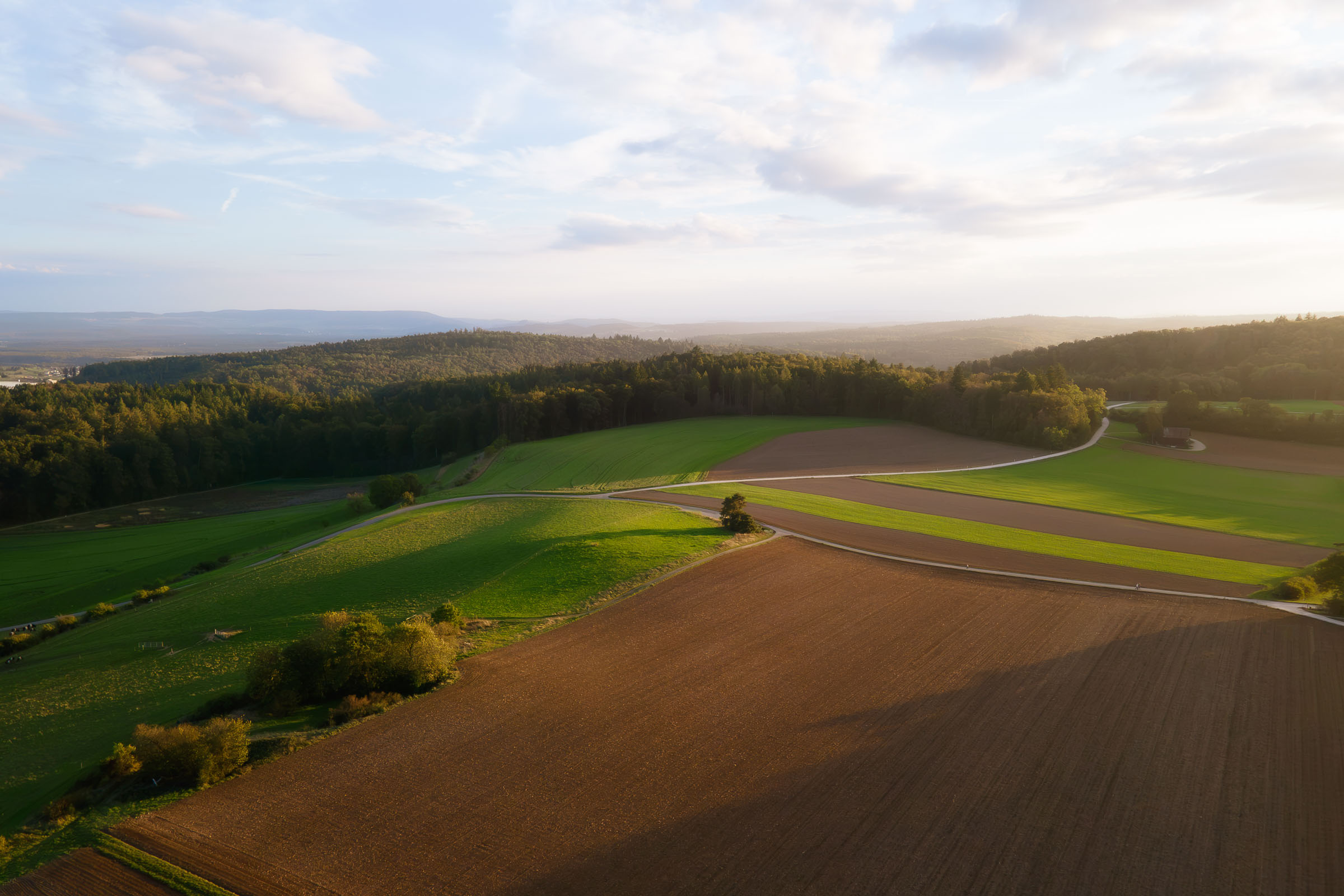
A rolling countryside under soft golden light offers a kind of openness that cities rarely grant. Standing there, the eye travels in long arcs, resting on gentle slopes and then drifting into the horizon. This natural curve encourages a slower gaze; it invites a breath that lasts a little longer than usual.
When I compose such scenes, I leave space—on purpose. Negative space is not emptiness; it is the room where quiet meaning can form. In a home, this translates into an image that does not crowd the wall but steadies it, giving furniture, light and daily movement a calmer center.
Placed in a living room or a study, an open landscape reshapes the room’s scale. It widens what is near and softens what is sharp. Over the day, as light changes across the surface, those gentle fields continue to move without noise. Beauty arrives through patience, not display.
3. Listening For Silence
Silence is not only an acoustic state; it is a posture of attention. When a place grows quiet inside me, colors separate cleanly, small textures begin to matter, and time thickens enough for noticing. The photograph becomes the final note of that process, not its purpose.
I wait for a scene to stop competing with itself. Strong contrasts can be tempting, but I prefer the moment after intensity when the landscape takes a softer breath. In that moment, water stops glittering and starts holding. Grasses turn from noise into lines. Even clouds seem to carry less story and more weight.
A print made from this listening brings the same quality indoors. It does not demand that anyone look at it; it rewards the time given when someone chooses to look. In a busy week, such an image is less a view and more a pause. That difference matters.
4. A Wooden Jetty And The Weight Of Stillness
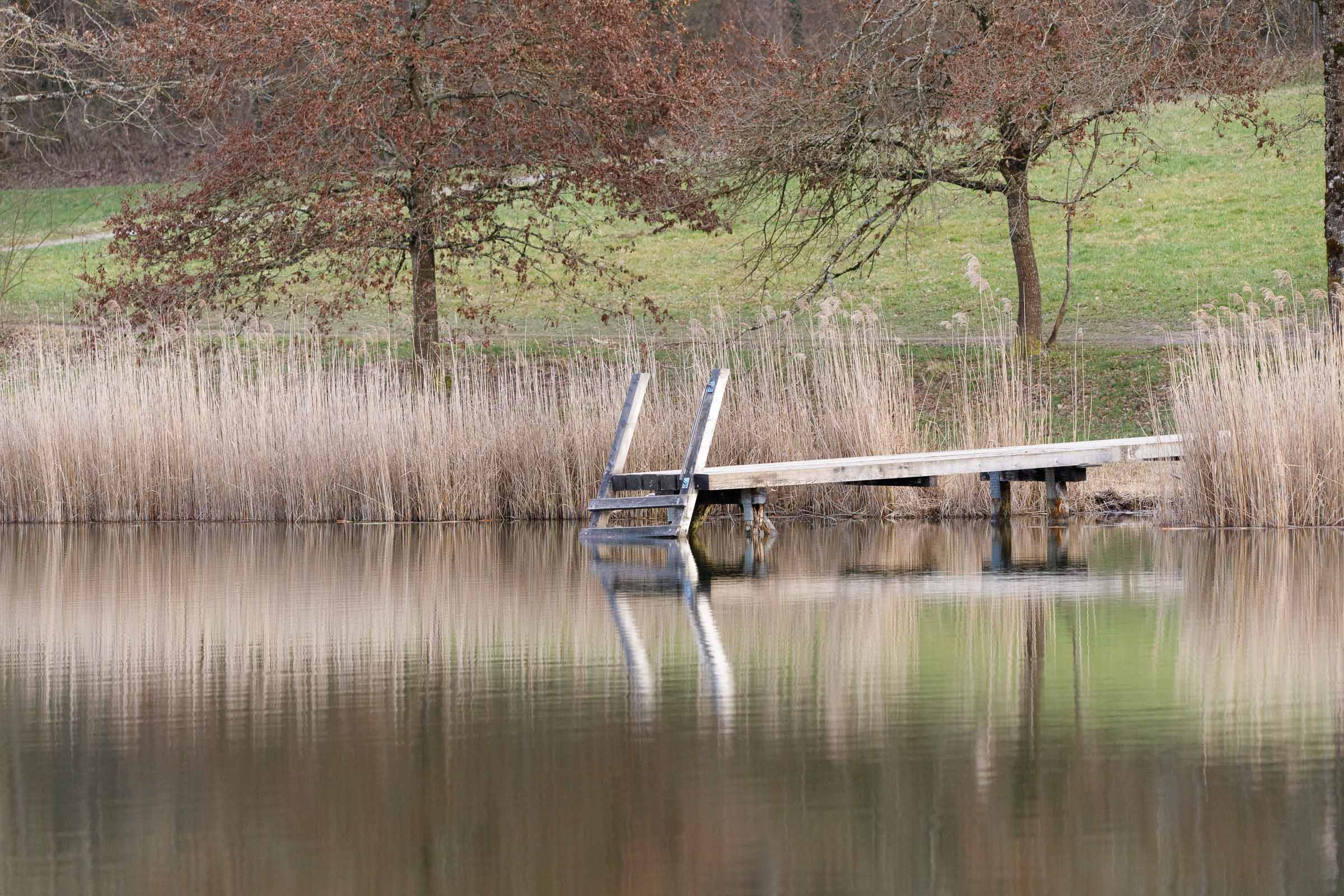
There is a wooden jetty I often return to. On calm days the boards hold a faint silver, and reeds draw thin verticals along the edge of still water. Reflections gather like a whisper; the surface keeps its voice low. Nothing announces itself, yet everything is present.
This kind of scene does not rush. I walk slower as I approach it, and I work from the edges inward. The tension between geometry and water needs space to settle. When the frame is right, the jetty stops pointing outward and begins to hold a center. The photograph becomes a place to stand.
Hung in a hallway or above a reading chair, such an image creates a small harbor in the day. The lines guide but do not instruct. Light slides gently along the planks, and the reeds add a rhythm that is quiet but firm. Over time, the stillness gathers weight. It is not silence as absence, but silence as attention fulfilled.
5. From Landscape To Daily Ritual
A photograph does not live only in the moment you first notice it. It lives in the many moments you almost don’t. This is where a print earns its place—during breakfast light, during a pause before leaving, during the slow return of evening when shadows enter a room with their own soft schedule.
When I think about placement, I consider the rituals of a space. A kitchen with morning sun may prefer a scene that invites clarity, while a bedroom might welcome a quieter horizon. Scale matters less than relationship: the print should sit in dialogue with the furniture and the window, not apart from them.
Materials also speak. Wood, linen, stone and matte walls carry light gently; photographs with subtle contrast pair well with these surfaces because they echo the same softness. The aim is not to match colors but to join temperaments. If the room is a sentence, the print is the comma that helps it breathe.
6. When A Room Learns To Hold Calm
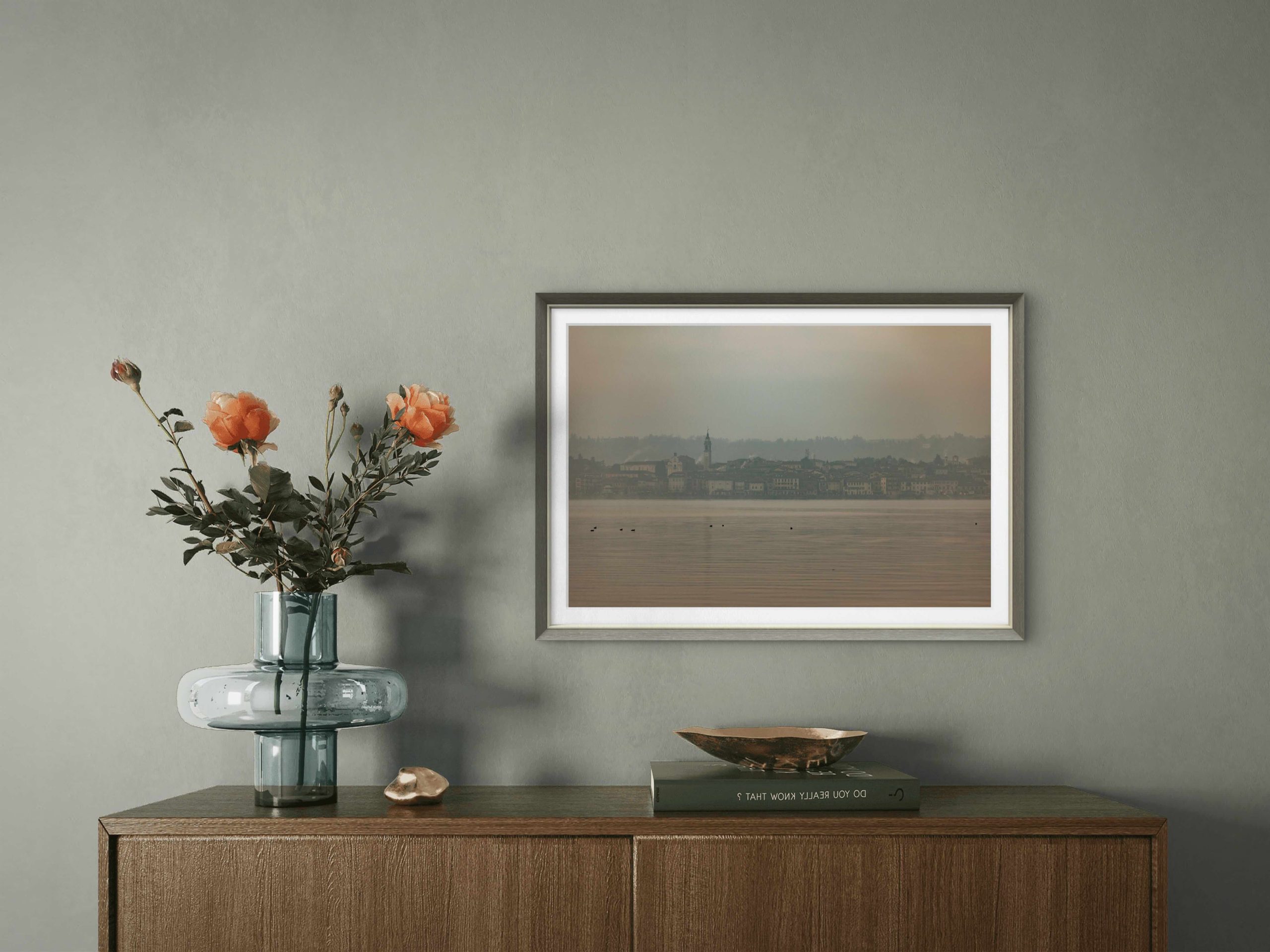
I pay attention to how a print occupies a wall. Above a cabinet, a photograph becomes a companion to daily movement—keys placed down, a glass of water set gently, the small choreography of arriving and leaving. The image should be present enough to anchor the area, yet light enough to let the cabinet and wall continue their own quiet conversation.
Natural daylight completes the composition. As hours shift, a good print keeps changing without becoming restless. Midday will flatten and reveal structure; late afternoon will soften and reveal atmosphere. I prefer images that welcome this passage, absorbing brightness and shadow with equal grace.
The result is not a decorated corner but a small field of calm. The room learns to hold it. People who cross the space carry that calm forward, even if they don’t notice. This is the quiet influence I search for: a steadying center that supports life without stealing its attention.
7. Seasons That Continue Inside
Seasonal change is one of the most generous teachers of rhythm. Fields thicken, then thin; skies gather weight, then lift; colors turn from cool to warm and back again. Living with a photograph that carries this gentle turning helps a room stay connected to time beyond its walls.
I don’t look for spectacle when I work with seasonal subjects. I look for the hinge—those days when the light is already different though the calendar has not yet caught up. In a home, images from such thresholds bring a sense of movement that feels honest. The day-to-day stays grounded because the wall quietly remembers the larger cycle.
People often tell me that these photographs feel familiar after a while. I take that as a compliment. Familiarity here does not mean predictable; it means the image and the viewer have learned each other’s pace.
8. An Open Field Beneath Summer Clouds
A cornfield under large summer clouds carries a calm that is both near and wide. The texture at your feet is immediate; the sky above sets the measure of distance. Between them, a steady horizon holds the eye long enough for thought to slow.
When I photographed such a field, I waited for the point when the clouds became shapes rather than events. Their shadows rolled gently over the crop, and the color found its balance between sun-warmed gold and cooler greens. Nothing asked to be the subject. The scene worked as a whole, a single breath extended across land and air.
In a contemporary interior, this print becomes an invitation to stand back. It does not push forward from the wall. It opens the room instead, making space feel taller, time feel wider. For wellbeing, that openness matters. We do not need to be elsewhere to feel at ease; we need to be fully here, with a horizon that keeps our attention steady and kind.

See the Artwork on Your Own Wall
Choosing the right print size can be difficult when viewing artwork online. With the Wall Preview Tool ,you can upload a photo of your room and visualize the artwork directly on your wall. This makes it easier to compare sizes, evaluate placement, and select the print that best fits your space.
FAQ
|
How do I choose nature wall art that brings calm rather than noise? Look for images where light and space feel measured. Subtle contrast, clear structure and enough negative space help a room breathe. If your eye can rest without being pulled quickly from detail to detail, the photograph is likely to support calm over time. |
|
What print size works best in a minimalist interior? Choose a size that anchors the wall without overwhelming it. As a guide, let the print occupy about two-thirds of the furniture width below it, with generous margins around. The goal is a balanced relationship between image, wall and nearby elements, not maximum coverage. |
|
Should I pick color or black and white for a quiet atmosphere? Either can be quiet. Color works when tones are harmonious and restrained; black and white can calm by simplifying. Consider your materials and light: warm woods and linen often welcome soft color, while cooler palettes may benefit from the clarity of monochrome. |
|
Where should nature wall art hang to support daily rituals? Place it where your day naturally pauses: above a cabinet near the entrance, beside a reading chair, opposite a window that changes the print gently through the day. These positions turn the image into a companion for small moments, not just a view on a spare wall. |
|
How will the photograph age with my space over time? Images built on strong composition and patient light tend to grow with a room. As your routines and furnishings evolve, a balanced photograph will keep its voice steady. If the image feels calm at first glance and richer at the third, it will likely remain meaningful for years. |
Final Thought
When I think of calm, I think less of silence than of steadiness. A lake that holds its reflection without insisting. A field that breathes beneath a sky with room for weather and thought. Inside a home, these same qualities settle the day’s edges. They do not erase what is difficult. They give it shape.
Nature wall art can be many things, but in its most generous form, it is a way of carrying presence into the places where we live and return. The photograph begins in the landscape and completes itself on the wall, in the company of light, furniture, footsteps and time. If we grant it patience, it gives the room back to us—clearer, slower, kinder.
If these reflections resonate, spend time with the Quiet Nature collection. The images were shaped by silence, gentle light and an attention to space that continues to breathe long after the first look.


