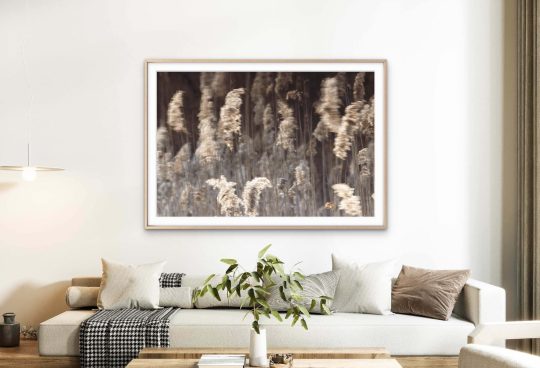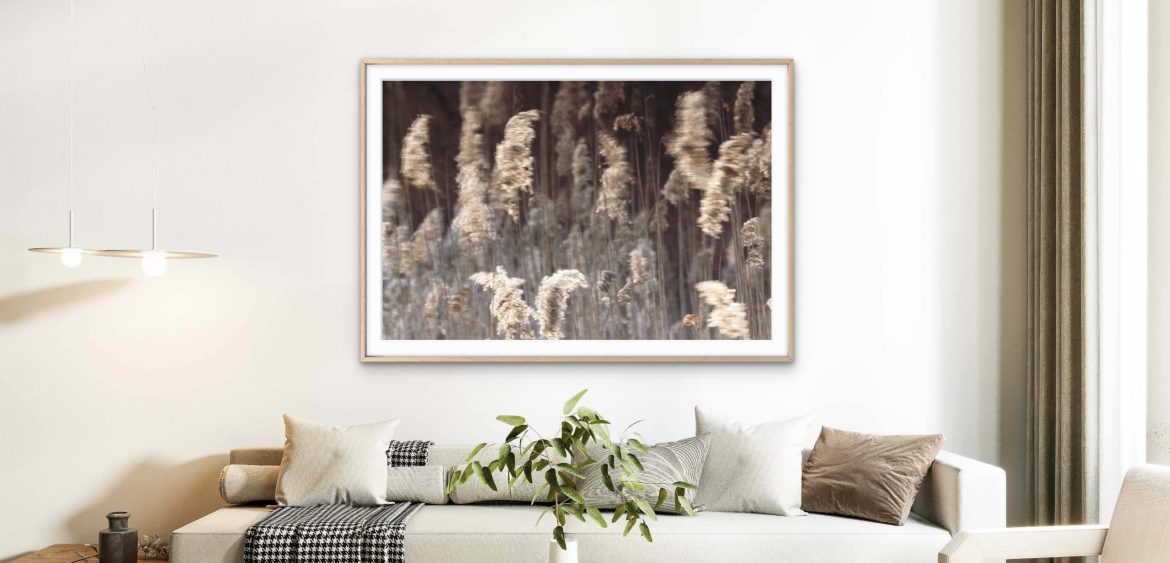

Minimalist landscape photography for modern interiors creates a quieter and more atmospheric relationship between photography and space. Modern interiors are often defined by simplicity. Clean lines, natural materials and open spaces create environments designed to feel calm rather than crowded. In many contemporary homes, the goal is no longer to fill every surface or decorate every wall, but to create spaces that feel balanced, intentional and emotionally restorative.
I
n these environments, photography takes on a very different role.
It is not simply decoration. It becomes atmosphere.
A carefully chosen photograph can influence how a room feels throughout the day. It can soften the rigidity of architecture, introduce a sense of openness or create moments of visual silence within spaces that might otherwise feel too controlled or impersonal.
This is one of the reasons minimalist landscape photography works so naturally in contemporary interiors. Rather than demanding attention immediately, quieter images reveal themselves gradually. A layer of fog dissolving into distant mountains, soft winter light crossing an empty field or the stillness of water at dawn can subtly change the emotional rhythm of a space without overwhelming it.
Unlike highly saturated decorative prints or trend-driven wall art designed to dominate a room instantly, minimalist landscape photography invites slower observation. The image does not compete with the surrounding architecture. It interacts with it. Empty space inside the composition becomes part of the room itself, allowing the environment to breathe visually.
This relationship between photography and space becomes even more powerful over time. Natural light changes throughout the day, shadows move across the print and subtle tonal variations emerge differently depending on the atmosphere of the room. A photograph that initially feels quiet can slowly become one of the defining emotional elements of an interior.
For me, this connection between photography and atmosphere is one of the most fascinating aspects of fine art prints. Landscape photography is not only about representing nature. It is about preserving a certain feeling silence, distance, softness and stillness and allowing that feeling to continue existing within everyday spaces.
In a world increasingly dominated by visual noise, images that create calmness often leave the strongest and most lasting impression.
Why Minimalist Landscape Photography Works in Contemporary Spaces
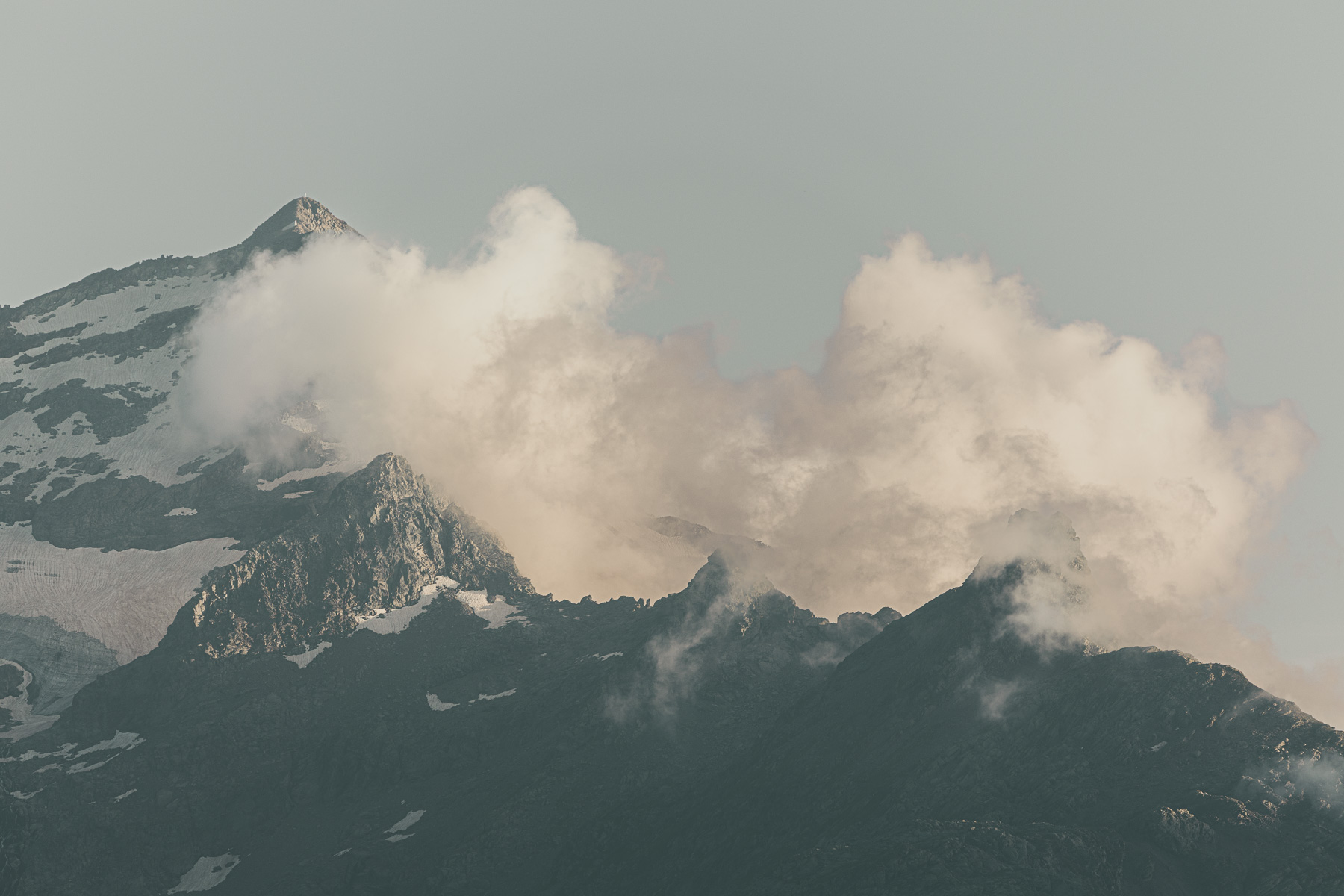
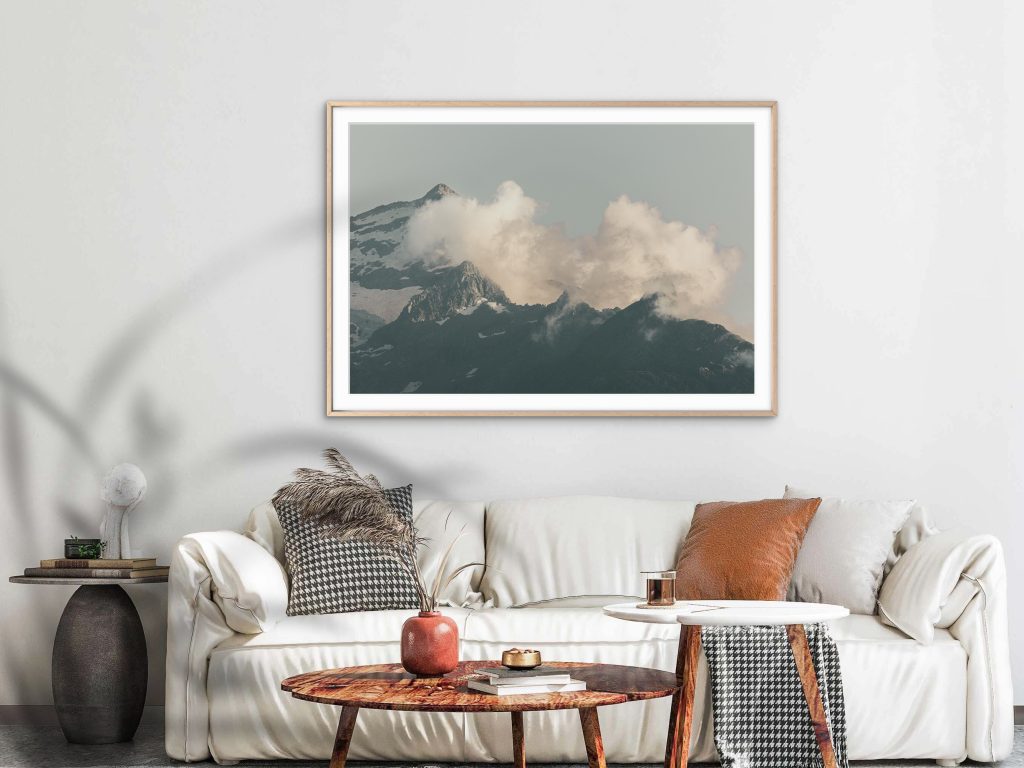
Minimalist interiors rely on balance. Furniture, textures and light are often carefully reduced to essential forms. In this context, overly complex or visually aggressive artwork can easily disrupt the harmony of a room.
Minimalist landscape photography works differently because it shares the same visual language:
- simplicity
- negative space
- restrained color palettes
- quiet composition
- natural rhythm
A photograph with soft tones and atmospheric depth creates visual breathing room. It gives the eye a place to rest.
This is particularly important in modern homes where spaces are increasingly designed around wellbeing, concentration and calmness rather than pure decoration.
Landscape photography also introduces an organic element into architectural interiors. Even highly minimal spaces benefit from a subtle connection with nature.
The Emotional Power of Quiet Landscapes
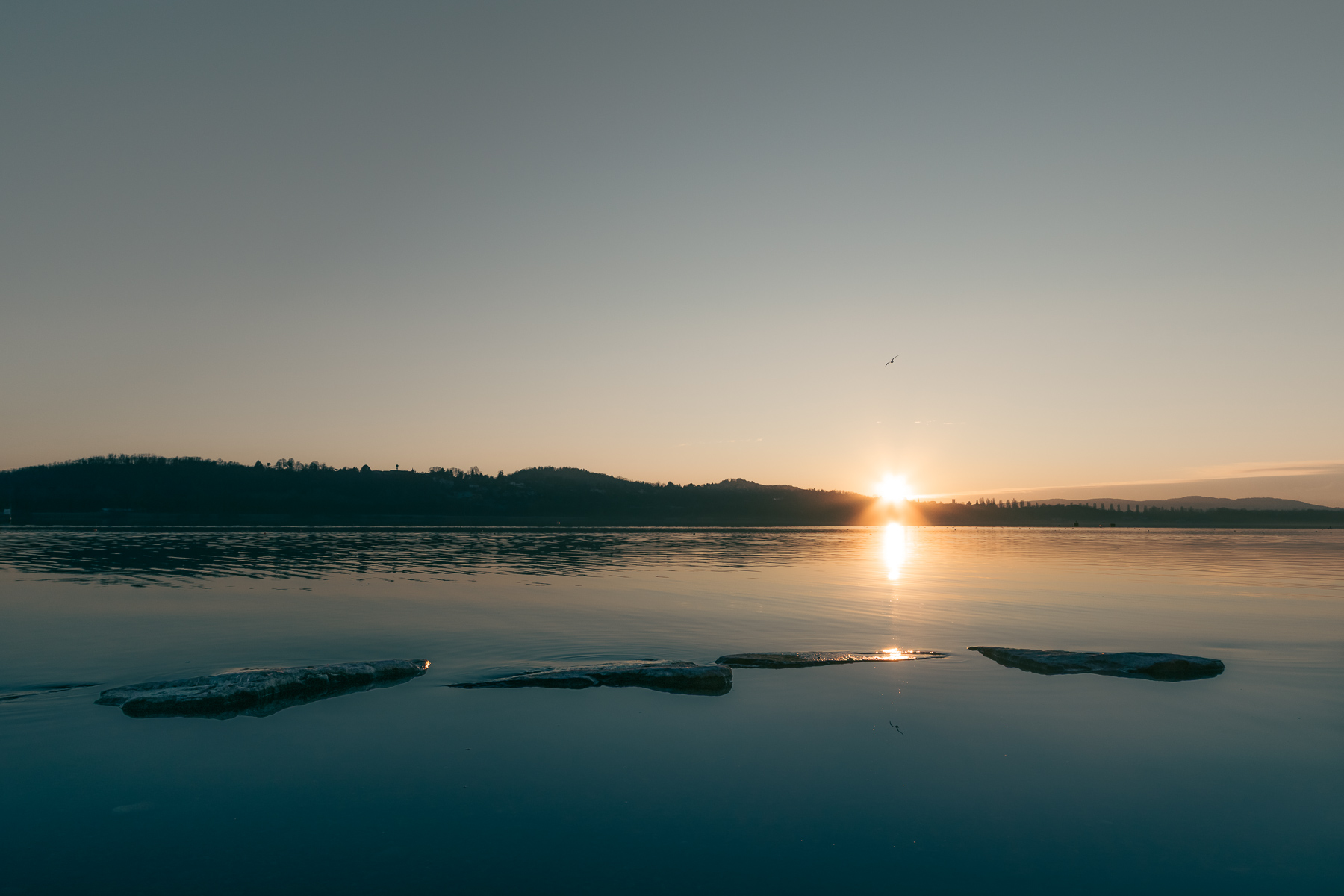
Not every photograph needs to demand attention.
Some of the most powerful landscape images are almost silent. Fog, distant horizons, snowfall, still water or isolated trees create emotional space rather than visual noise.
These quieter images tend to work exceptionally well in interiors because they adapt to the atmosphere of a room instead of competing with it.
A large atmospheric print can completely change the perception of a space:
- making a room feel more open
- softening sharp architectural lines
- creating emotional warmth
- introducing a sense of stillness
This is one reason why nature photography is increasingly used in contemporary homes, studios and hospitality spaces. People are not only searching for visual beauty. They are searching for environments that feel balanced and restorative.
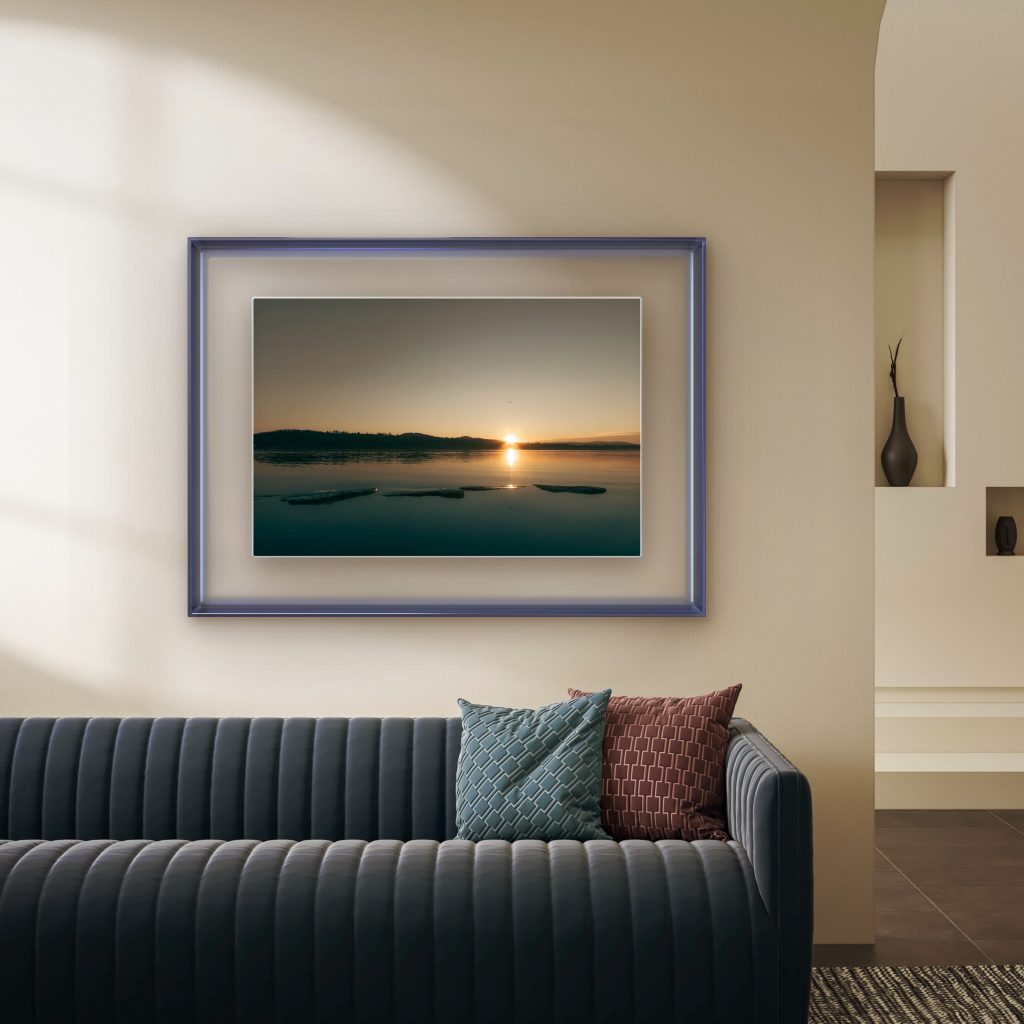
Natural Light, Tone and Visual Breathing Room
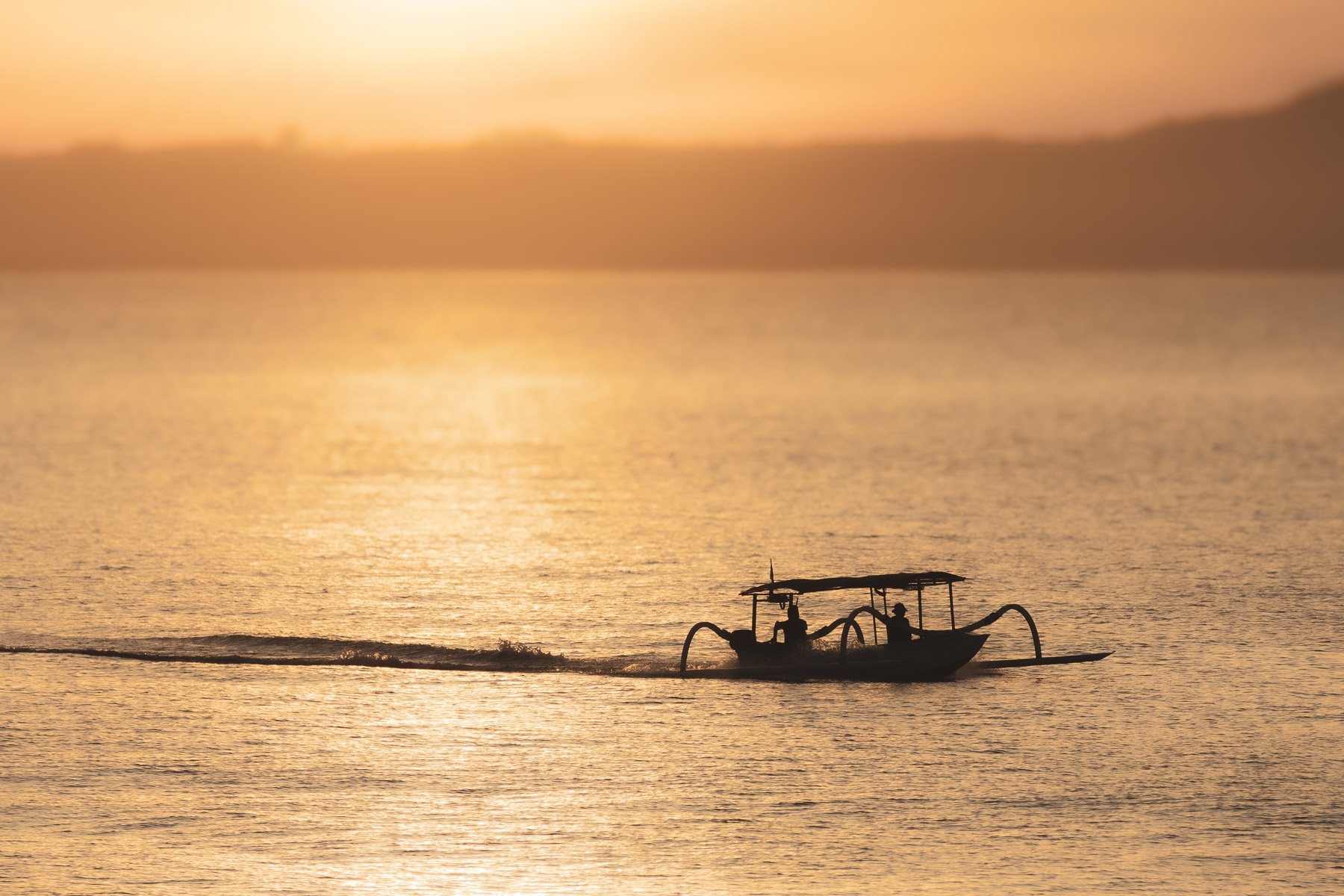
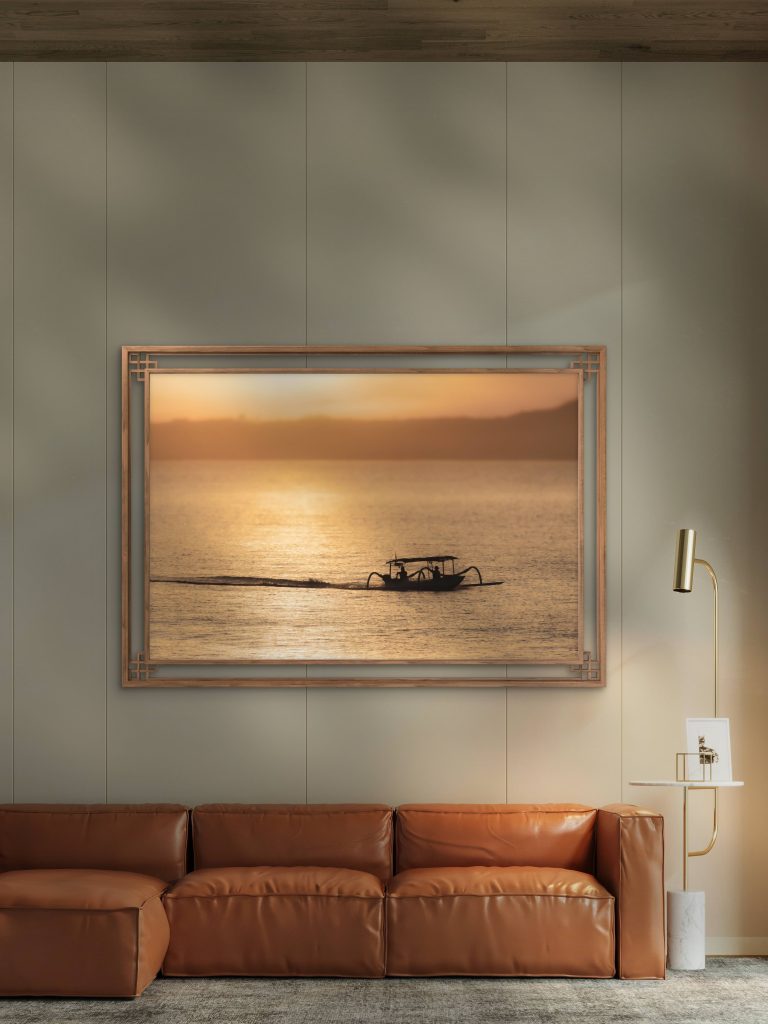
Light plays a fundamental role both in photography and interior design.
Minimalist landscape photography often works best when the image itself contains soft, natural light:
- dawn atmosphere
- overcast skies
- winter fog
- diffused sunlight
- muted seasonal tones
These conditions create photographs that feel calm and timeless.
In interiors, strong contrast and highly saturated colors can sometimes become visually exhausting over time. Softer landscape images tend to age more gracefully within a space because they remain connected to natural rhythms and subtle tonal variations.
This is especially true in neutral interiors where photography becomes part of the overall atmosphere rather than a separate decorative object.
Choosing Minimalist Landscape Photography for Modern Interiors
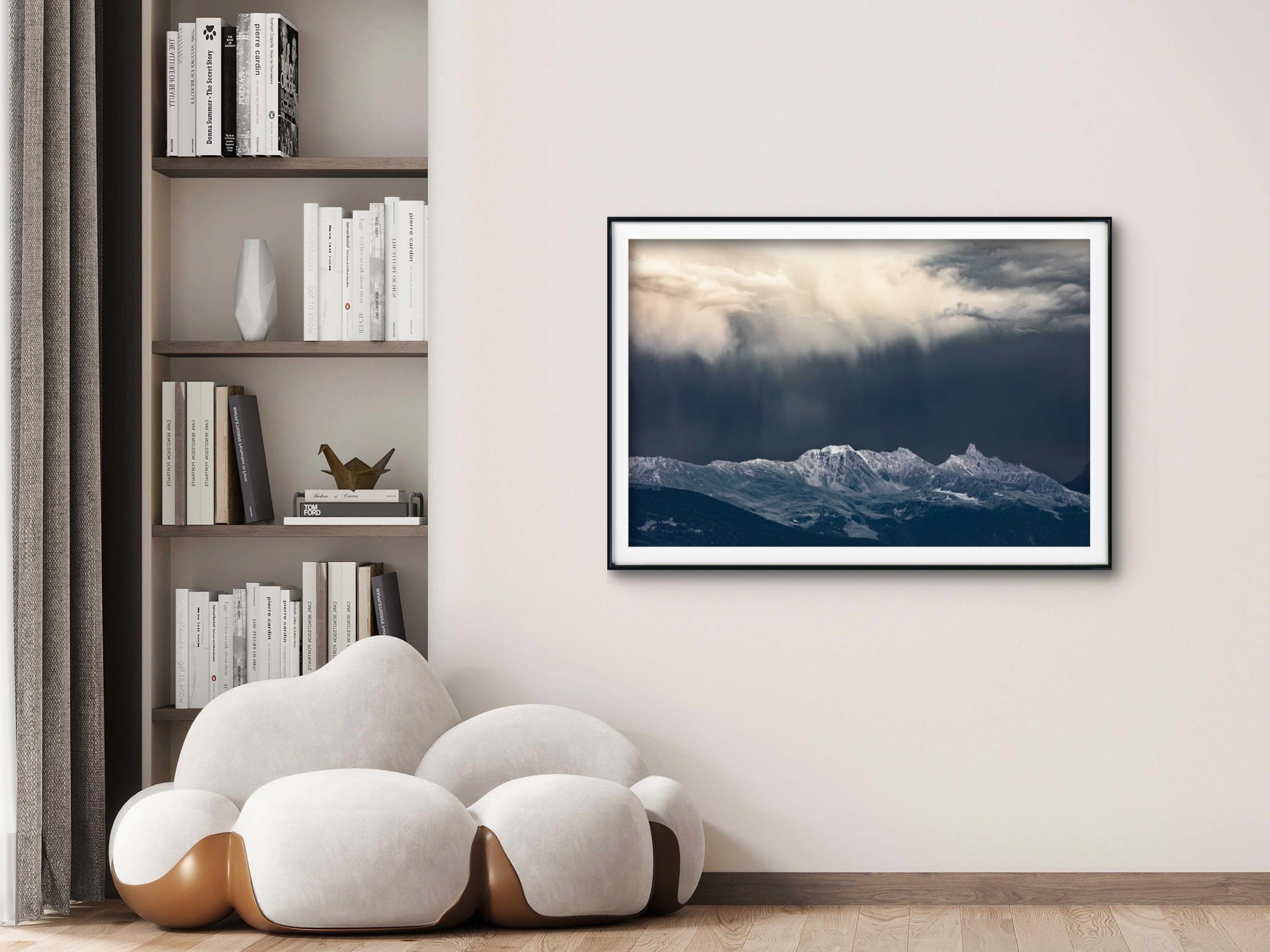
When selecting photography for contemporary interiors, scale and emotional tone often matter far more than visual complexity.
In minimalist spaces, the goal is rarely to fill every wall with detail or strong visual stimulation. Instead, the most effective images are often the ones that create balance, atmosphere and a sense of quiet presence within the room. A photograph should feel connected to the space around it rather than isolated from it.
This is one of the reasons minimalist landscape photography works so naturally in modern interiors. A photograph does not need dramatic subjects, intense colors or complex compositions to have impact. In many cases, simplicity creates a much stronger and more lasting emotional response.
A distant horizon, soft fog moving through mountains, still water at dawn or subtle layers of light can often create more atmosphere than visually crowded scenes. These quieter compositions leave space for the eye to rest and for the architecture of the room to breathe naturally around the image.
Minimalist photographs also tend to integrate more harmoniously into contemporary interiors because they share many of the same visual principles:
- simplicity
- restraint
- balance
- openness
- natural rhythm
Rather than dominating a room immediately, these images reveal themselves gradually over time. Their presence becomes more atmospheric than decorative.
This slower visual experience is particularly important in spaces designed around calmness and wellbeing. Interiors today are increasingly shaped not only by aesthetics, but by the emotional feeling they create. Photography can contribute significantly to that atmosphere when the image feels intentional, restrained and emotionally balanced.
Scale also changes how a photograph is experienced. A large print with soft tones and minimal composition can create a surprisingly immersive presence within a room. Empty space inside the photograph becomes part of the architecture itself, extending the feeling of openness and visual silence.
For me, some of the most powerful landscape photographs are often the quietest ones. They do not try to impress immediately. Instead, they create a subtle emotional connection that continues to grow through repeated observation and changing light over time.
In contemporary interiors, this kind of restrained visual presence often feels more timeless than images designed purely for immediate impact or decoration.
Large Scale Prints and Atmospheric Presence
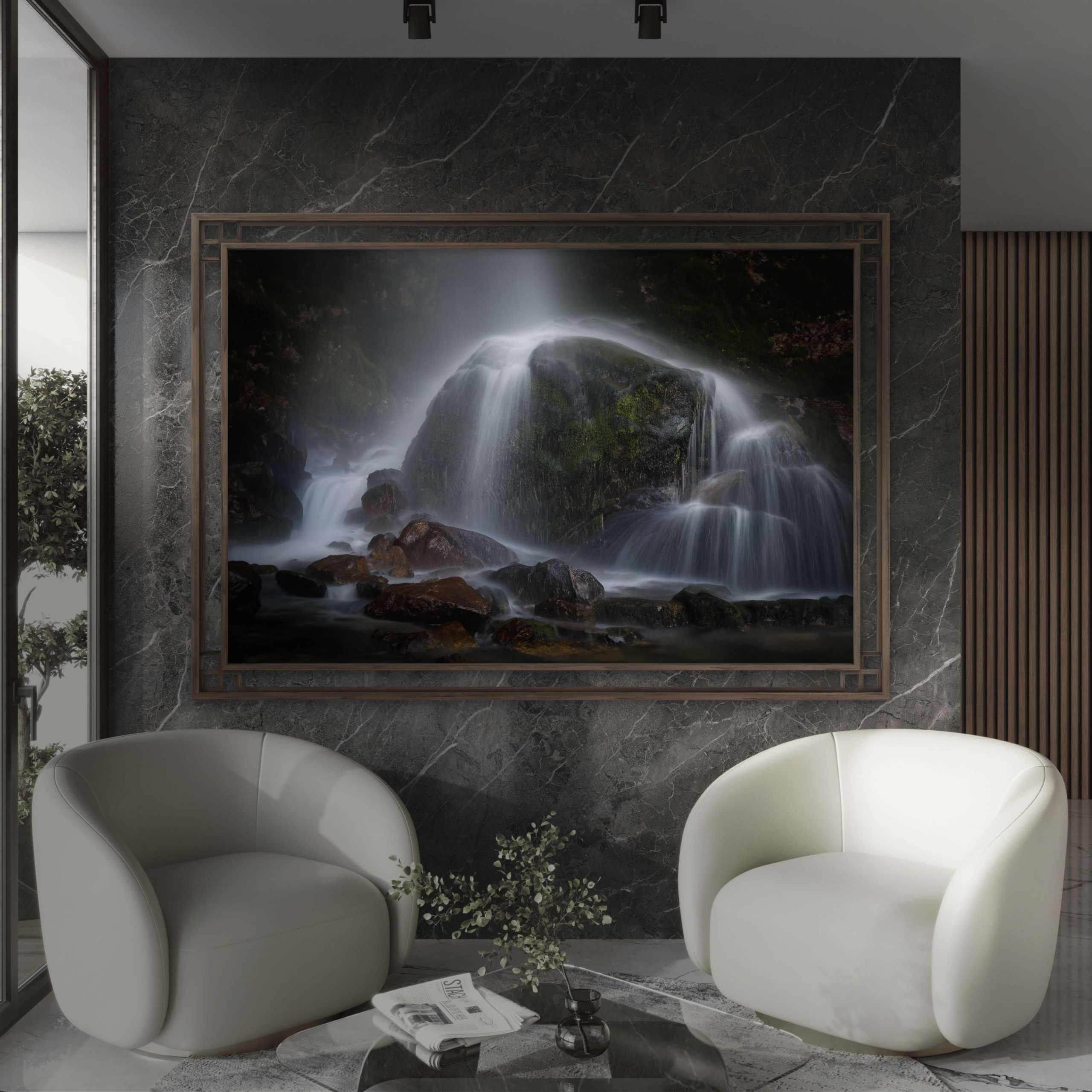
One of the most fascinating aspects of landscape photography is how dramatically an image changes once it leaves the screen and enters a physical space.
On a monitor, photographs are temporary. They are consumed quickly, often surrounded by distractions, notifications and endless visual noise. Printed at a large scale, however, a photograph becomes something entirely different. It acquires physical presence. It begins to interact with architecture, light and everyday life.
This transformation is particularly powerful with minimalist landscape photography.
Images built around silence, atmosphere and negative space tend to expand naturally within contemporary interiors. Empty areas inside the composition are no longer perceived as absence. They become part of the spatial experience itself. A horizon line, soft fog or distant mountain layers can visually extend the architecture of a room and create a feeling of openness that smaller decorative images rarely achieve.
Large scale prints also slow down the way an image is observed.
Instead of being consumed instantly, the photograph invites a quieter kind of attention. Subtle tonal transitions, textures in the landscape and delicate variations in natural light become more visible over time. The image reveals itself gradually depending on the hour of the day, the surrounding light and the atmosphere of the space.
This relationship between photography and light is one of the reasons why fine art prints feel alive in interiors. Morning light may soften the image completely, while evening shadows can create a more contemplative mood. The photograph becomes part of the rhythm of the room rather than a static decorative object.
Scale also changes emotional perception.
A small print is usually observed. A large print is experienced.
When a landscape photograph reaches a certain size, it no longer functions simply as wall decoration. It creates presence. It influences how a space feels emotionally. Quiet landscapes printed large can introduce calmness, depth and visual stillness into interiors that might otherwise feel too rigid or overly minimal.
This is especially true in spaces designed around natural materials, neutral palettes and architectural simplicity. In these environments, atmospheric photography often works best not because it attracts attention aggressively, but because it creates emotional balance without visual excess.
For me, this is one of the most meaningful aspects of fine art landscape photography. The goal is not only to represent nature, but to allow a fragment of atmosphere to continue existing within everyday spaces.
A carefully chosen print can subtly change the emotional tone of a room for years.
Final Thoughts
Minimalist landscape photography is not only about aesthetics. It is about atmosphere, rhythm and emotional presence within a space. In contemporary interiors, photography often works best when it does not compete aggressively for attention, but instead contributes quietly to the overall feeling of the environment.
Today, many modern spaces are designed around simplicity and visual balance. Clean architecture, neutral palettes and natural materials create interiors that seek calm rather than excess. In this context, the role of photography changes completely. An image is no longer simply something decorative placed on a wall. It becomes part of the emotional architecture of the room itself.
Quiet landscapes, soft light and restrained compositions create room for reflection rather than visual overload. Instead of demanding immediate attention, these photographs invite a slower and more contemplative way of looking. Over time, they become part of the identity of a place — interacting subtly with architecture, natural light and everyday routines.
This relationship between photography and atmosphere is one of the reasons I’m drawn to atmospheric landscape photography. I’m often less interested in dramatic spectacle and more interested in the quieter details that can transform the feeling of a space: fog dissolving into mountains, muted winter light, distant horizons, soft textures in nature or the stillness of water at dawn.
These quieter moments tend to create a deeper and more lasting emotional connection because they leave space for interpretation. They do not overwhelm the viewer with visual intensity. Instead, they create openness, silence and presence.
When printed at scale, these landscapes can completely change the perception of an interior. A large atmospheric print can soften architectural rigidity, introduce visual breathing room and create a sense of calmness that evolves throughout the day as light moves across the image.
This is one of the most fascinating aspects of fine art landscape prints. The photograph continues to live inside the space. Morning light may reveal delicate tonal transitions that disappear in the evening. Shadows, reflections and seasonal light constantly reshape the way the image is experienced.
For me, landscape photography is not only about documenting nature. It is about preserving a certain emotional atmosphere and allowing that atmosphere to continue existing within everyday environments.
A photograph does not need to dominate a room to leave a lasting impression. In many cases, the images that remain with us the longest are the quietest ones, the photographs that create a sense of stillness, balance and emotional depth without ever demanding attention too loudly.