
I approach urban landscape photography as a way of listening to cities. I stand in front of a wall, a passage, a shadow, and I watch how geometry holds memory. I avoid rushing. I don’t chase spectacle or skyline drama. I look for the quiet lines that remain when the noise fades: the cadence of windows, the soft fracture of a seam in concrete, the patient turn of light across an edge.
I prefer to begin where most people stop looking. I am drawn to repetition because it reveals human presence without showing a single person. I notice how wear and repair live side by side, how a building carries yesterday inside today, and how a city’s voice is clearest in its most ordinary surfaces. I follow light as if it were a clock that also measures distance. I wait until a pattern exhales and a scene simplifies itself.
I believe a photograph starts long before the camera leaves my bag. I return to the same corners and facades because time keeps rewriting them. I let quiet build, and I allow negative space to speak. I don’t try to explain the city. I try to understand how it feels to stand inside its geometry and remember.
I return to cities not for their landmarks, but for the way ordinary structures remember us.
1. I Begin With Geometry, Not Place
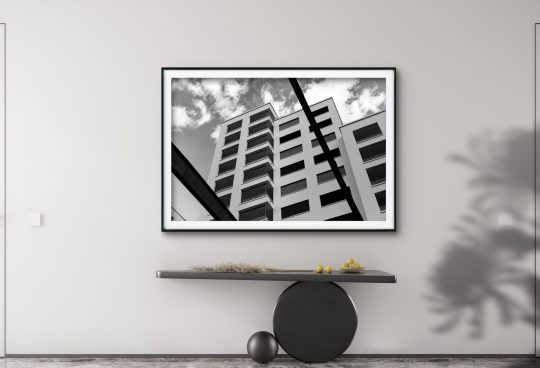
I rarely arrive with a map of landmarks. I arrive with a hunger for structure. I notice how a grid of windows slows my breathing, how a narrow band of shadow turns a wall into a page, how a seam of light slices space into before and after. I start with lines and rhythm because they hold the city’s voice without needing names.
I look for the moment when forms stop competing. I want the frame to feel inevitable, as if the building composed itself and I simply agreed. I avoid signs and distractions unless their typography is part of the rhythm. I keep stepping closer until repetition becomes almost abstract and the overall subject dissolves into texture, proportion and interval.
I believe geometry is not sterile. I see it as evidence of care, routine, labor and habit. I recognize the human body in the height of a railing, the width of a stair, the reach of a window latch. I return to these traces because they hold stories more gently than any statue or postcard vista could. I don’t need to show faces to suggest presence. I let the structures speak for the hands that made them.
I often find that place follows naturally once geometry is clear. The city reveals itself quietly: a rhythm that belongs to one neighborhood, a material that narrows the era, a pattern that tells me about weather, maintenance and time. I start with form, and meaning arrives on its own schedule.
2. I Read Cities Through Repetition
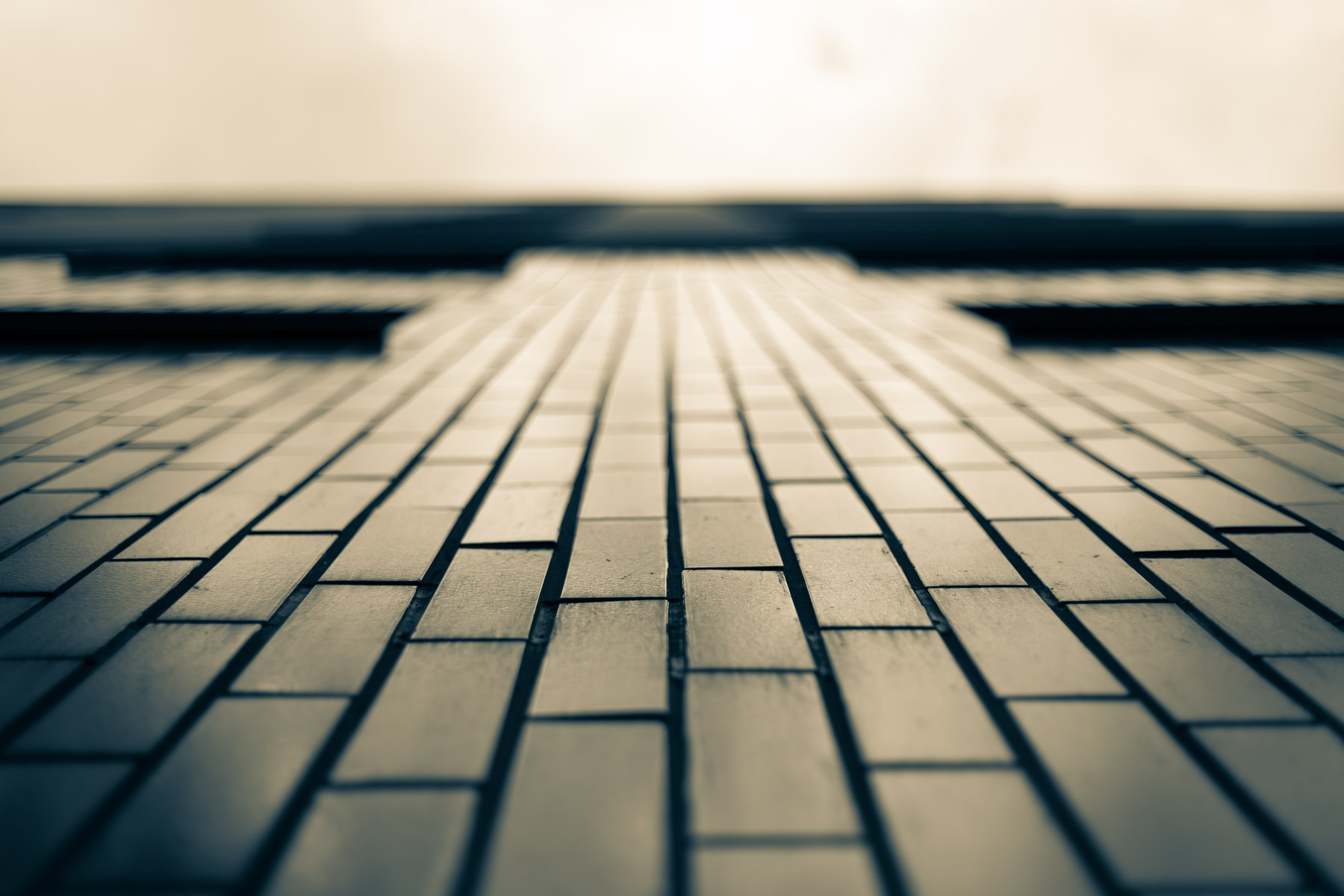
I am drawn to patterns that fade as they recede, to rows of windows that diminish like footsteps, to tiles that measure space the way breath measures silence. I notice how repetition calms a scene. I simplify until the frame holds only the beat of the city, that steady count that continues whether we pay attention or not.
I look for places where repetition almost vanishes at the edge, where rhythm turns from fact into suggestion. I want the photograph to linger between clarity and memory, between what is precisely there and what remains as an afterimage. I avoid the temptation to include everything that proves the location. I let the pattern speak for the whole.
I find that abstraction does not remove emotion; it intensifies it. I don’t chase spectacle. I prefer the edge where geometry becomes feeling. I listen for the cadence, then I step into it, aligning the frame so that intervals breathe evenly and negative space has a job to do.
I believe this is where urban landscape photography becomes less about cities and more about time. I watch a pattern absorb light and release it, and I recognize the clock inside the wall. I return to sequences that age well, to textures that grow softer with distance.
3. I Let Light Decide
I trust light more than I trust my first idea. I arrive thinking I know the photograph, and then I wait. I see how morning angles cut through a façade like a metronome. I notice how afternoon softens metal until it looks almost like paper. I stand with the changing sky and I learn what the structure wants to reveal.
I avoid forcing a scene to behave. I let a shadow finish forming before I move. I believe the city is never still, even when nothing moves. Glass inhales clouds. Brick warms and cools. Steel records the day in thin reflections. I wait for light to align these shifts into a single sentence I can read.
I prefer to use light not as decoration but as a way to edit. I ask it to erase what distracts and emphasize what endures. I want the photograph to carry the sensation of passing through time, not just space. I return to the same threshold hours apart and allow light to rewrite the idea.
I often find that the least dramatic light tells the truest story. I don’t need a sunset to believe in a building. I need the small, decisive moment when a beam edges a railing or a shadow clarifies a seam and the city admits its inner order.
4. I Walk The Thresholds
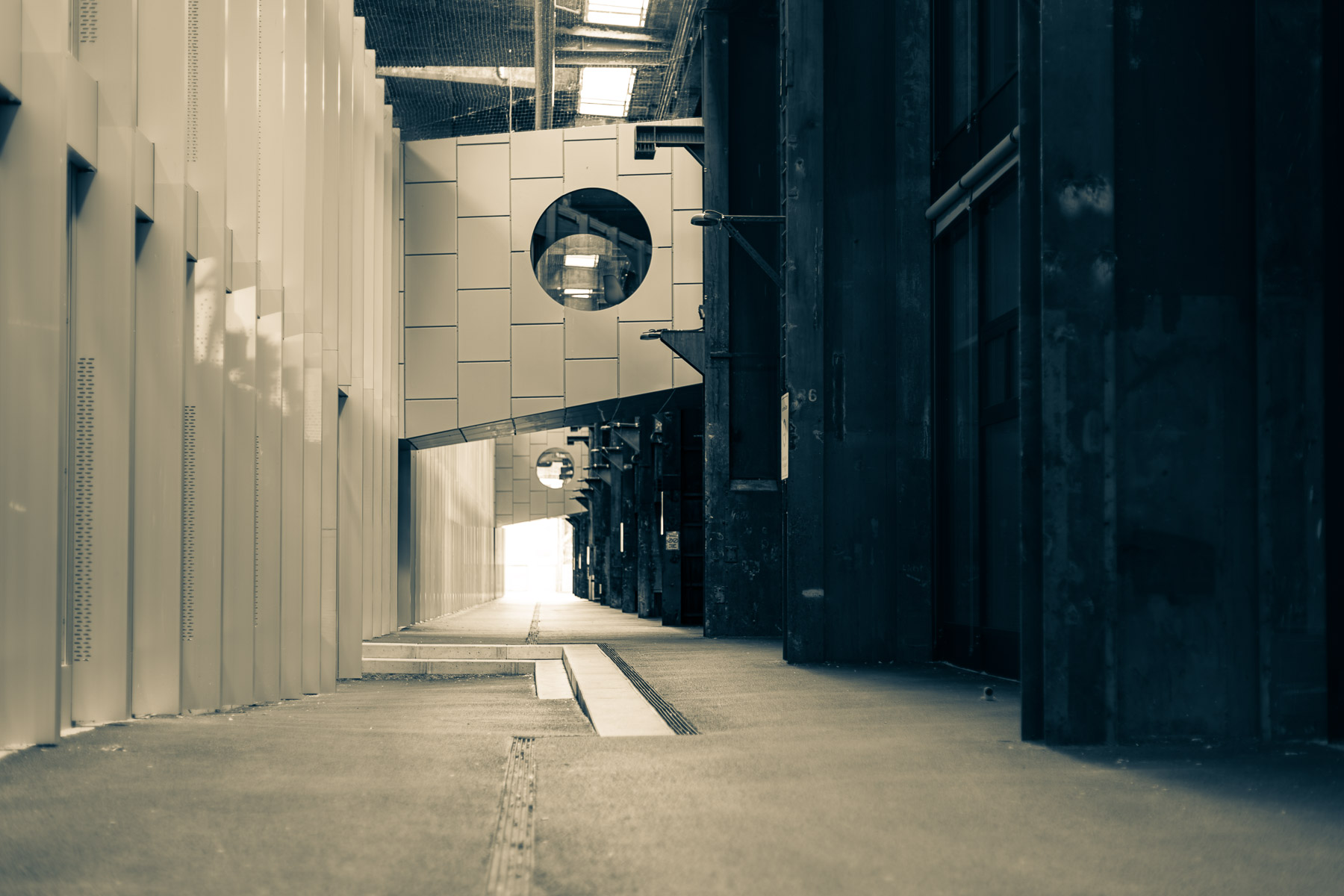
I am drawn to passages where one geometry yields to another. I step into narrow corridors of light between brick and steel. I listen to the echo change, the temperature shift, the pace of footsteps slow. I feel the city turn a page. I frame these thresholds because they hold the quiet drama of transition.
I look for converging lines that hold tension without shouting. I align my body before I align the frame. I want perspective to feel balanced, not forced, and I want the vanishing point to be more invitation than command. I often find that a small sliver of brightness is enough to suggest the world beyond.
I avoid clutter at thresholds. I remove anything that explains too much. I want the photograph to rest in the in-between, where space narrows and attention heightens. I am careful with edges. I let empty areas breathe so that the mind can travel.
I believe passages carry memory. I return to them because they remember every crossing. I see how industrial forms acquire tenderness when light sifts through them. I allow the photograph to hold that meeting of hard and soft, of weight and air, where the city reveals both its backbone and its pause.
5. I Remove What Distracts
I simplify until the subject stops arguing with itself. I step left, then right, testing how a vertical aligns, how a seam meets the frame, how a corner resolves. I let silence accumulate. I want the structure to become a sentence with no extra words.
I avoid including people not because I dislike them, but because I hear their presence in the objects they leave behind. I see human intention in the height of a parapet, the rhythm of bolts, the way a repair is slightly misaligned. I prefer these traces. I find them more enduring than any fleeting gesture.
I believe framing is an act of listening. I listen for the single note that organizes the rest. I let negative space carry part of the tune, and I trust absence to keep the photograph honest. I remove until the image lifts, and I stop before it thins.
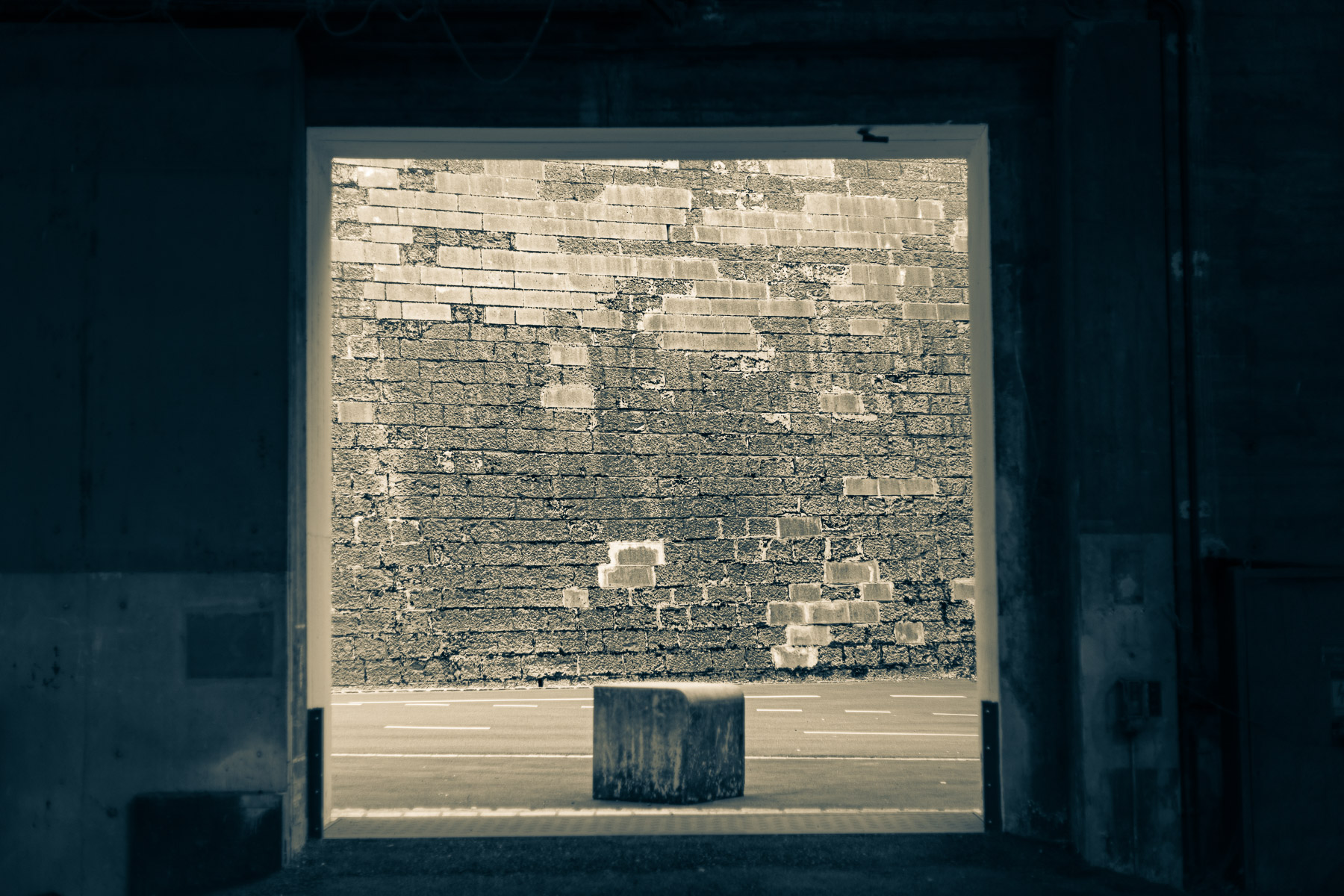
I often find overlooked elements that hold more emotion than grand designs: a solitary vent in a wide wall, a recessed opening surrounded by quiet plaster, a small rectangle of shadow that suggests a room just beyond. I stay with them until their stillness becomes palpable.
6. I Live With Images, Not Just Make Them
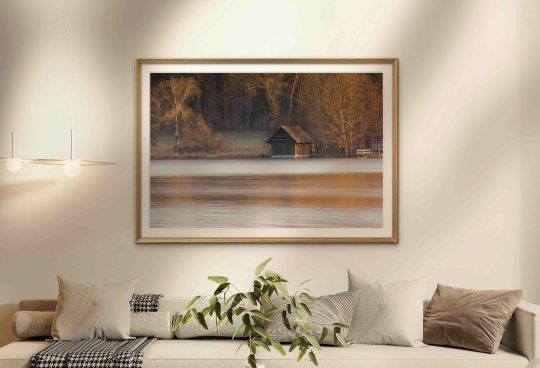
I believe a photograph completes itself when it enters a room. I watch how an image changes the pace of a space, how it softens a corner, how it offers a steady center for the day. I want prints to speak in low tones that deepen over time rather than perform a single loud note.
I notice that urban subjects bring a different quiet to interiors. I see geometry anchor attention without demanding it. I watch light from a window meet the light inside the photograph, and I look for resonance, not contrast. I prefer images that create a field where the eye can rest and wander at the same time.
I consider a few simple relationships when choosing a photograph for a room:
– I look for a rhythm that complements existing lines in the furniture or architecture.
– I choose textures that respond to the materials already present: wood, stone, glass, fabric.
– I allow negative space in the image to echo the empty surfaces around it.
I return to images that can live with a room through seasons. I want a print to hold attention quietly at breakfast and again late at night. I don’t ask it to decorate. I ask it to keep the room honest.
7. I Trust Small Details To Hold Memory
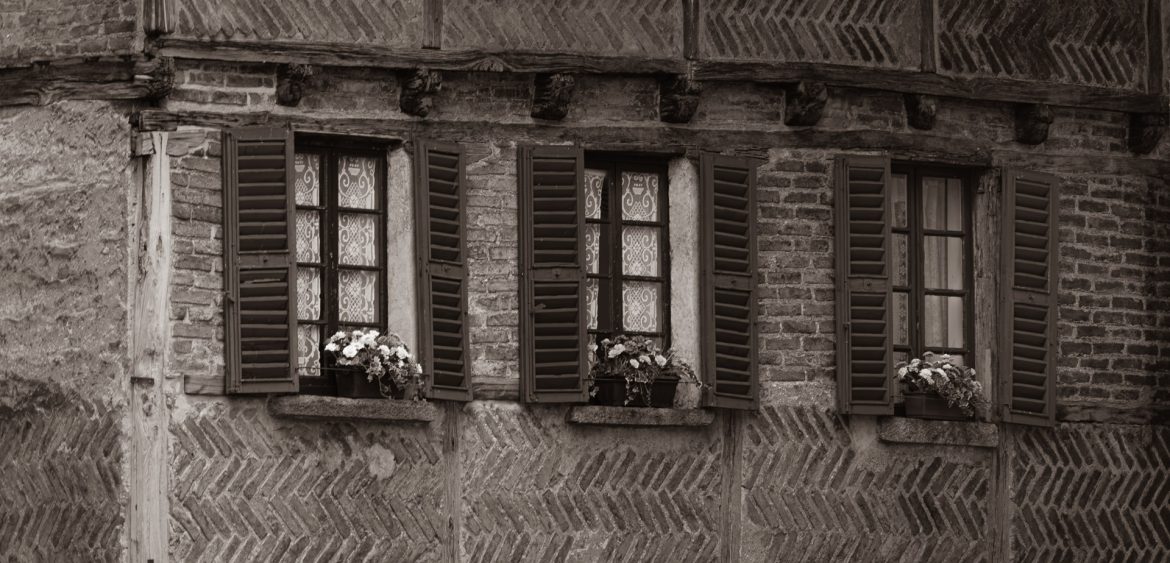
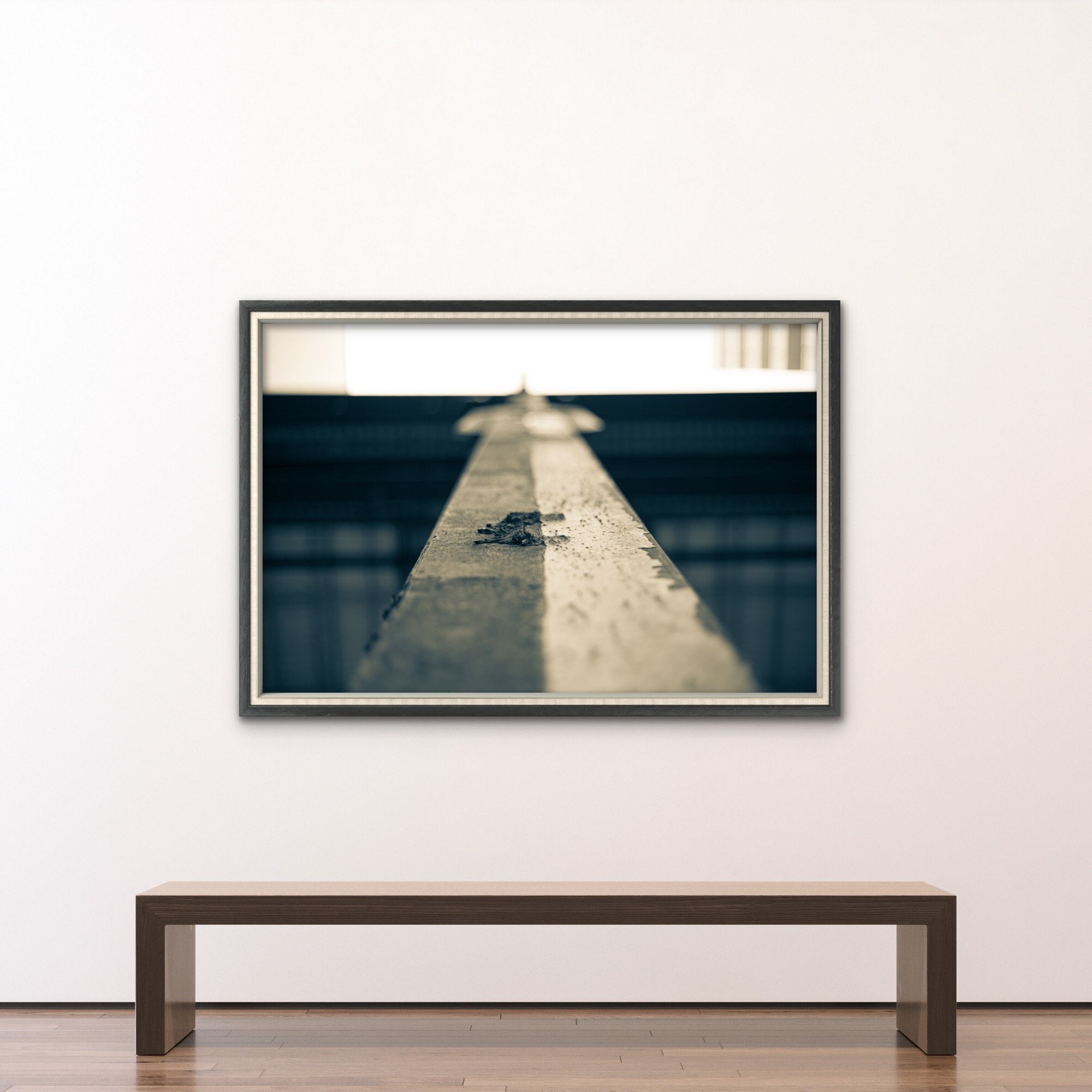
I prefer a weathered corner over a skyline. I see a city’s truth in the way paint fades on a lintel, in the faint arc where a door has swung for decades, in a patch where someone once fixed what mattered. I believe memory chooses small surfaces the way water chooses slight depressions in stone.
I often find that details invite slower looking. I want that slowness. I recognize how attention ripens when it isn’t rushed to a big conclusion. I place the camera where the detail becomes a world, and I let the world be enough.
I avoid telling the viewer what to feel. I show what I have seen and I leave space. I believe photographs breathe better when they don’t close the conversation. I want an image to suggest rather than insist, to remain open so that the viewer’s own memory can enter.
I return to the same details across different cities and years because they teach me what endures. I keep finding the same gestures: the careful seam, the uneven repair, the precise arc of a cable. I learn to read these signs as letters in a language of care.
8. I See Urban Landscape Photography As Interpretation
I don’t document; I translate. I enter a place, I listen to its rhythm, I reduce until only the necessary forms remain, and I allow light to write the final line. I create a version of the city that matches the way it felt to stand there, the way time pressed gently on the structure and the way memory answered.
I notice how interpretation frees the photograph from proving anything. I am not responsible for facts that a map could confirm. I am responsible for presence. I let geometry carry that presence because it is both precise and forgiving. It gives me a scaffold to hold emotion without melodrama.
I avoid the posture of certainty. I prefer images that keep a question alive: What is just beyond the frame? What happened before the light reached this corner? Why does this small pattern feel like something I have known for years? I let the photograph ask and I leave the answer unresolved.
I believe this approach is an antidote to speed. I don’t have to win attention. I have to earn trust. I do that by staying with a surface long enough that it begins to speak in its own voice, by stepping back when the frame feels crowded, and by accepting the exact light that day offered. I keep returning, and the city keeps remembering.
See the Artwork on Your Own Wall
Choosing the right print size can be difficult when viewing artwork online. With the Wall Preview Tool ,you can upload a photo of your room and visualize the artwork directly on your wall. This makes it easier to compare sizes, evaluate placement, and select the print that best fits your space.
FAQ
|
What is urban landscape photography to me? I treat urban landscape photography as a way of listening to cities through structure, light and time. I focus on geometry, repetition and quiet transitions rather than landmarks or crowds, simplifying until the image holds only what the place truly offers. |
|
How is this different from street photography? I avoid the flow of human activity and concentrate on the built environment itself. I rely on architecture to carry human presence through rhythm, wear and design. The result is slower, more contemplative and less tied to single events or characters. |
|
Why do I often exclude people from the frame? I see people everywhere in their traces: in the height of a handrail, the cadence of windows, the marks of repair. I exclude figures so the photograph can listen more carefully to those lasting signs of care and use. |
|
How does light shape these photographs? I let light decide when the image is ready. I wait for angles, edges and shadows to clarify structure, often choosing quiet light that edits distractions. Light becomes the editor that reveals form and the measure of time passing. |
|
How can an urban print work in a calm interior? I look for geometry that anchors a room without shouting. Repetition creates visual rhythm, and negative space offers rest. When an image meets the room’s materials and natural light with respect, it becomes a steady presence rather than a performance. |
Final Thought
I walk cities with a simple intention: to let their ordinary geometry remember out loud. I allow light to write, repetition to calm and negative space to answer quietly. I return to thresholds and details because they hold time more faithfully than spectacle ever could. I trust that a photograph made this way can live with someone for years, softening a wall, slowing a morning, and keeping a small conversation going between structure and memory. I leave room for that conversation to continue without me.
If these reflections feel familiar to your own way of looking, the Between Worlds collection continues this quiet exchange between geometry and memory through images shaped by light and time.